

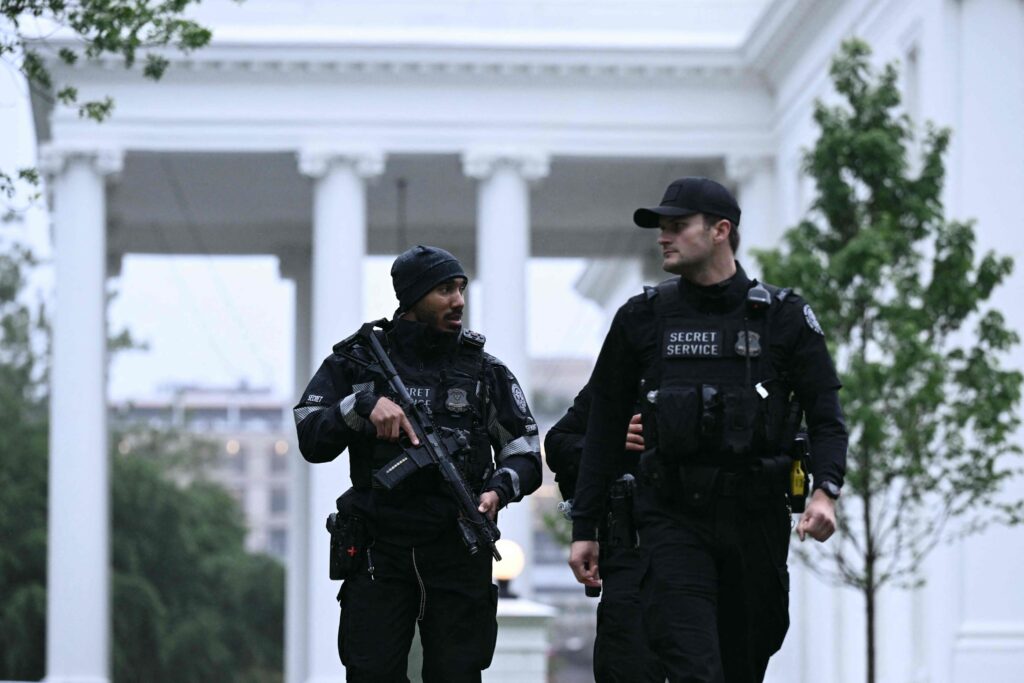
When setting up a commercial defense plan, business owners must evaluate their specific operational risks to choose the right level of protection. Deciding between different physical presence models depends heavily on your industry, location, and asset profile. If you are operating a business in Southern California, partnering with professional Security Guard Services San Diego allows you to customize your deployment based on these exact variables. The fundamental choice usually comes down to hiring armed or unarmed personnel, and understanding how their roles differ ensures your facility stays fully protected without unnecessary complications.
While both options focus heavily on visible deterrence and incident management, their training, legal authority, and physiological impact on an environment vary significantly. Finding the right balance helps maintain a safe environment for everyone on site.
The Role of Unarmed Security Personnel
Unarmed officers make up the vast majority of commercial deployments. Despite not carrying firearms, they are highly trained professionals who rely on communication, observational skills, and physical presence to manage risks.
High-Visibility Deterrence
Simply having a uniform on-site stops the majority of low-level crimes like vandalism, trespassing, and opportunistic shoplifting. These officers manage access control points, check employee credentials, and conduct routine facility patrols.
Conflict De-escalation
Unarmed guards excel at verbal de-escalation techniques. They are trained to handle public disturbances, diffuse arguments between customers or employees, and enforce building policies calmly. If a situation escalates beyond their control, their primary protocol is to contact local law enforcement immediately while securing the immediate area.
The Role of Armed Security Personnel
Armed officers are deployed in higher-stakes environments where the potential threat level involves violent crime or the protection of extremely high-value physical assets.
Advanced Defensive Capabilities
These individuals carry firearms and are authorized to use lethal force, but only under strict legal parameters to protect human life from imminent danger. Because of the immense responsibility involved, they undergo rigorous background checks, psychological testing, and continuous tactical firearms training.
High-Risk Target Protection
You will typically find armed protection in environments like financial institutions, jewelry districts, upscale residential communities, and logistics warehouses storing high-value electronics or pharmaceuticals. Their presence changes the risk calculus for organized criminal networks, making the property a highly unappealing target.
Key Differences in Training and Liability
The operational differences between these two roles stem from the intensity of their training programs and the legal liabilities assumed by the hosting business.
- Training Standards: Unarmed guards receive foundational instruction in power to arrest, observation techniques, and emergency response. Armed personnel must complete all standard modules plus state-mandated firearms qualification courses, weapon retention training, and legal education regarding use-of-force laws.
- Insurance and Liability: Deploying armed personnel carries significantly higher insurance premiums for a business. Companies must weigh whether their actual asset vulnerability justifies the increased legal liability and operational costs associated with lethal defense capabilities.
Choosing the Right Fit for Your Business
Every commercial property features unique vulnerabilities, meaning a one-size-fits-all approach rarely works. Many large enterprises choose to mix both asset protection strategies to maximize coverage while staying cost-effective.
What You Should Know: Unarmed guards are ideal for standard customer-facing environments, while armed guards are reserved for high-threat mitigation. Evaluating your daily foot traffic and regional crime statistics helps determine the safest path forward.
To implement these strategies effectively, working with a premier provider like Alliance Guard Services guarantees that your personnel are properly vetted and assigned to roles that match their exact training levels. They can help you map out whether a standard gatehouse guard or a specialized tactical officer fits your operational footprint. For many corporate campuses, deploying mixed mobile patrols allows you to Improve Workplace Safety across expansive layouts without creating an overly aggressive environment for your daily visitors.
Maximizing Safety and Operational Continuity
Ultimately, both armed and unarmed personnel serve the core purpose of safeguarding your enterprise from operational disruptions. By analyzing your precise security vulnerabilities, you can build a defensive framework that keeps your team safe, protects your physical capital, and maintains an unshakeable standard of safety.
Whether you rely on corporate security guards for low-profile lobby management or specialized threat mitigation for high-value logistics, the right professional presence provides the peace of mind necessary to focus entirely on growing your business.