

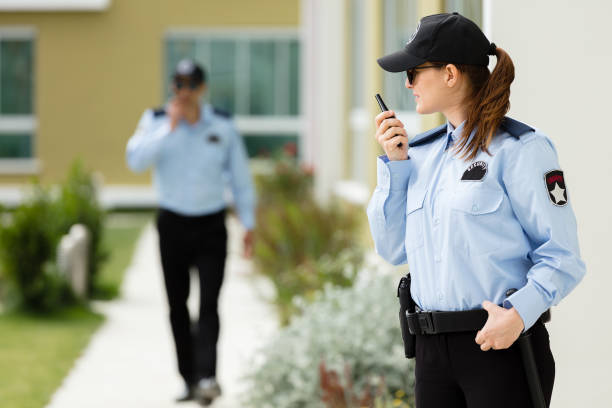
Hosting major public gatherings—such as outdoor music festivals, sports tournaments, trade conventions, and community parades—requires meticulous crowd management and structured emergency planning. High-density events naturally introduce operational challenges, including entry bottlenecks, unauthorized zone breaches, sudden panic, and public altercations. Deploying certified Unarmed Security Services enables event organizers to establish a strong physical safety framework that protects attendees, safeguards venue infrastructure, and ensures seamless event execution. Having trained safety officers on-site guarantees that potential crowd hazards are identified, monitored, and defused long before they disrupt public order.
Rather than relying purely on volunteers or passive surveillance camera setups, professional security personnel provide immediate human intervention, active queue regulation, and tactical access verification. Their visible presence reassures guests that the venue is secure while discouraging bad actors from causing disturbances. Understanding the precise operational methods security teams use to manage large crowds helps event planners design resilient safety protocols tailored to their specific venue layout.
Strategic Access Control and Entry Point Oversight
Managing the arrival and movement of thousands of guests begins at the venue perimeter. Uncontrolled gate entry creates severe safety hazards, including dangerous overcrowding, gate-crashing, and the introduction of prohibited items into performance areas.
Ticket and Credential Verification
- Verifying Access Passes: Officers inspect digital tickets, VIP wristbands, and staff credentials to ensure only authorized individuals enter restricted zones.
- Securing Backstage Operations: Production areas, artist dressing rooms, and VIP lounges remain strictly off-limits to general admission ticket holders.
- Bag Audits and Metal Detection: Guards execute systematic bag checks and metal detector sweeps at primary entrances to prevent dangerous objects from entering the venue.
Regulating Pedestrian Traffic Flow
- Preventing Entry Bottlenecks: Officers set up organized queue lanes using stanchions and barricades, maintaining steady pedestrian movement through ticket gates.
- Enforcing Capacity Limits: Tracking real-time venue attendance prevents specific halls, main stages, or seating sections from exceeding municipal fire safety limits.
Active De-Escalation and Public Order Maintenance
Large gatherings naturally generate elevated energy, but unmanaged crowd dynamics can quickly escalate into heated verbal arguments, alcohol-fueled disputes, or physical altercations. Security personnel employ specialized verbal de-escalation strategies to maintain peace.
Officers remain neutral, firm, and polite when managing disruptive behavior. By resolving minor incidents early, guards neutralize potential public altercations without creating unnecessary panic among neighboring attendees.
Verbal Dispute De-Escalation
- Diffusing Guest Arguments: Security personnel use targeted communication techniques to calm angry patrons, settling disputes peacefully.
- Protecting Event Staff: Event coordinators, ticket clerks, and concessions staff can focus on guest services knowing trained guards manage aggressive individuals.
- Stage and Barrier Protection: Officers form physical lines along stage barriers, preventing enthusiastic fans from rushing performance spaces or crushing front-row attendees.
Controlling Unsanctioned Loitering and Encampments
- Keeping Corridors Clear: Guards keep main walkways, concession lines, and restroom access corridors completely clear of unauthorized loitering.
- Firm Removal Protocols: Officers politely escort non-compliant or overly intoxicated individuals off private venue grounds to protect overall public safety.
Technical Surveillance Integration and Venue Asset Protection
Modern event management relies on combining electronic surveillance technology with on-ground guard enforcement to safeguard high-value audio-visual gear, merchandise stock, and venue property.
What You Should Know: While high-definition video camera networks monitor broad venue spaces, they cannot physically guide panicking crowds or step in during an active dispute. Teaming digital camera arrays with trained guard units from Alliance Guard Services guarantees that real-time video monitoring translates directly into swift ground intervention.
Centralized Video Oversight
- Continuous Feed Sweeps: Camera operators actively inspect multi-screen displays to spot overcrowding, unlit hazards, or security policy violations instantly.
- Rapid On-Ground Response: When camera operators notice unauthorized access or a crowd bottleneck, nearby guards receive immediate radio dispatches to secure the area.
- Preventing Alarm Distractions: On-site inspection by guards eliminates unnecessary municipal emergency service dispatch fees caused by false sensor trips.
Vendor and Merchandise Loss Prevention
- Protecting Technical Gear: Guards audit production trailers, sound booths, and lighting rigs to prevent the theft of expensive event infrastructure.
- Retail and Concession Oversight: Neutral guard presence around vendor booths discourages cash theft and inventory loss during peak operating hours.
Crisis Intervention, First Aid, and Emergency Evacuations
During sudden emergencies—such as severe weather events, structural fires, or medical crises—every second counts. On-site security personnel act as immediate first responders, maintaining order and directing public movement.
Having certified personnel on location prevents mass panic. Security officers clear emergency corridors, establish communication networks, and administer critical first-aid measures to protect guest well-being.
Medical First Aid and Life Support
- CPR and AED Readiness: Security personnel maintain active certifications in CPR and Automated External Defibrillator (AED) usage, providing crucial immediate care during medical emergencies.
- Trauma Management: On-site teams treat minor injuries, manage severe bleeding, and stabilize injured persons until emergency medical services take over.
- Establishing Medical Privacy: Guards set up physical perimeters around injured persons to protect their privacy and allow paramedics to work efficiently.
Orderly Mass Evacuation Execution
- Guiding Evacuation Routes: During fire alarms or severe weather alerts, guards direct attendees along pre-planned exit paths toward designated exterior assembly areas.
- Keeping Emergency Exits Clear: Daily sweeps verify that emergency exit doors, stairwells, and exit paths stay completely unblocked by equipment or staging.
- Guiding Arriving Responders: Officers meet arriving police cars, fire engines, or ambulances at primary access gates, offering crucial situational briefings and clear directions to the scene.
Parking Lot Regulation and Perimeter Security
Event protection extends beyond the main venue structures into exterior parking lots, transit hubs, and perimeter fencing. Security teams ensure attendees arrive, park, and leave safely.
Directing Vehicle Traffic and Escort Support
- Managing Vehicle Flow: Guards oversee parking lot entries to keep vehicle traffic moving smoothly and prevent congestion along main roadways.
- Late-Night Escort Services: Security personnel provide personal escorts to parked vehicles for event staff finishing late-night shifts in dark parking structures.
Deterring Vehicle Crime and Trespassing
- Preventing Auto Theft: Continuous mobile patrols discourage vehicle break-ins, catalytic converter theft, and property vandalism in exterior parking facilities.
- Protecting Public Well-Being: Evaluating when a business considers hiring professional security helps event planners eliminate perimeter vulnerabilities and ensure attendee well-being throughout the event. Partnering with established protection providers like Alliance Guard Services delivers complete venue defense tailored specifically to your event layout.
Conclusion
Guarding large public events requires a proactive crowd management strategy that combines entry access verification, verbal de-escalation, technical surveillance integration, and rapid emergency evacuation readiness. Far from acting as passive observers, professional security guards serve as the operational backbone that keeps public gatherings organized, safe, and resilient against unexpected disruptions. By intercepting risks early, managing crowd dynamics peacefully, maintaining emergency exit paths, and securing exterior parking grounds, dedicated security personnel protect valuable event infrastructure, safeguard guest well-being, and ensure the long-term success of any large-scale event.