

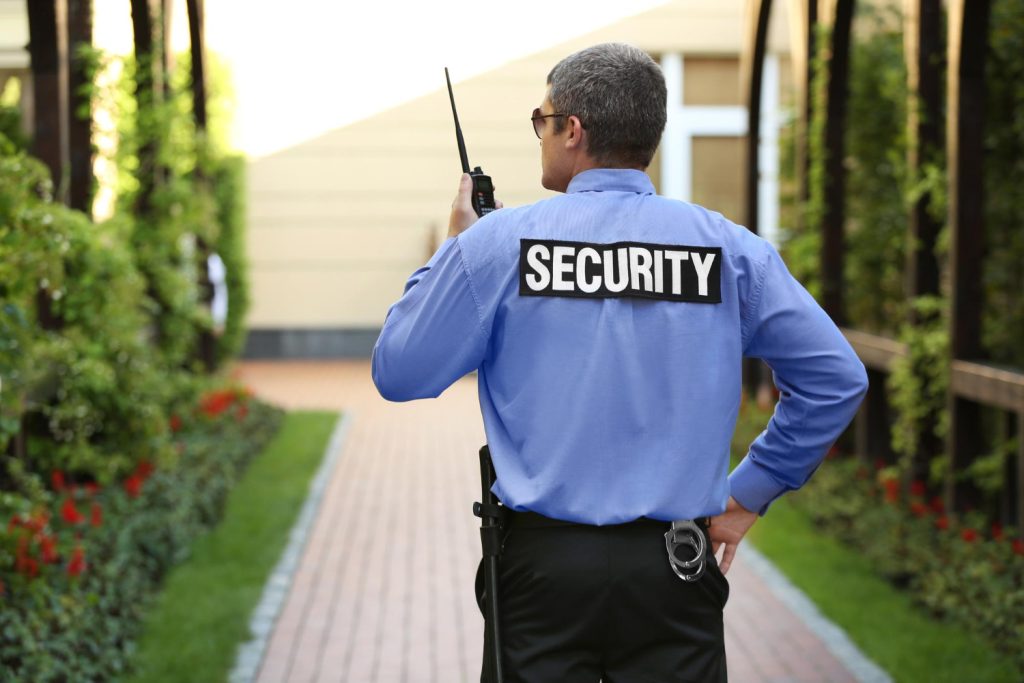
Construction sites are high-risk areas where fire hazards are common due to the presence of flammable materials, electrical wiring, and ongoing welding activities. Ensuring safety at such sites is a top priority, and this is where firewatch security plays a crucial role. A firewatch guard is trained to identify fire threats and respond swiftly to prevent disasters. From patrolling active zones to monitoring for sparks or smoke, their role is indispensable. Hiring security guards helps reinforce fire safety on construction sites while ensuring compliance with local codes and regulations. Their presence enhances construction site security and provides a safer working environment.
What is Fire Watch Security?
Firewatch security refers to specialized protection provided when fire alarm systems or sprinklers are malfunctioning or during high-risk operations, such as welding and cutting. Firewatch security services play a crucial role in preventing fire outbreaks by providing continuous surveillance, ensuring safety, and identifying hazards before they escalate. These services act as a temporary yet critical safety measure, especially in environments prone to fire risks.
What Does a Fire Watch Security Guard Do?
A fire watch security guard performs proactive tasks to prevent, detect, and respond to potential fire hazards. Their daily responsibilities include conducting fire watch patrols, monitoring high-risk areas, maintaining communication logs, and ensuring the safety of personnel. In the event of a fire threat, the guard immediately alerts emergency services and assists in evacuations. They are also responsible for documenting all observations and actions taken. These fire watch security guard duties not only help in compliance with safety regulations but also provide peace of mind by reinforcing fire prevention on vulnerable job sites.
Common Fire Risks at Construction Sites
Construction sites are inherently vulnerable to fire due to the variety of materials and processes employed. Understanding these risks is vital for adequate fire prevention. Firewatch security ensures constant monitoring to identify and neutralize threats in real-time. Here are some of the most common fire hazards found on construction sites:
Hot Work Operations
Activities such as welding, soldering, and cutting are commonplace on construction sites and pose significant fire hazards. Sparks from such hot work can easily ignite flammable materials. Fire watch security services are essential during these operations, as a firewatch guard is trained to monitor these zones and respond immediately to any signs of fire. Their constant vigilance ensures that fire risks are minimized. In compliance with safety regulations, these guards also inspect the area after operation to ensure that no smoldering materials are left behind, significantly improving construction site fire safety during high-risk tasks.
Electrical Faults
Temporary electrical setups are standard at construction sites but can often lead to short circuits or overheating if not installed correctly. These faults can cause sudden fires without much warning. A trained security guard monitors these areas, especially near temporary panels or exposed wires. A regular fire watch patrol ensures that any overheating cables or electrical hazards are identified early. Implementing firewatch security during electrical installations not only enhances construction site security but also complies with safety standards that require such high-risk areas to be constantly observed by qualified personnel.
Storage of Flammable Materials
Construction sites typically store items like fuel, paint, adhesives, and insulation, all of which are highly flammable. Improper storage can significantly elevate the risk of fire. Fire watch security guards ensure that these materials are stored away from ignition sources and are marked with construction site safety signs. They monitor these storage areas during routine patrols and take corrective actions if anything is amiss. By maintaining proper safety protocols, Firewatch guards reduce the likelihood of accidents and ensure fire safety compliance at sites handling hazardous substances.
Responsibilities of Fire Watch Guards at Construction Sites
The role of a fire watch security guard is more than just watching for flames; it involves proactive and preventive safety measures tailored to the construction environment. Their duties are critical for maintaining safety and ensuring rapid response. Below are the key responsibilities of a firewatch guard at construction sites:
Conducting Regular Patrols
Routine patrols are among the most crucial tasks of a firewatch guard. These patrols involve checking each area of the construction site for fire hazards, blocked exits, or malfunctioning equipment. These consistent checks significantly reduce the risk of unnoticed hazards. Firewatch security guards document each patrol to maintain transparency and compliance with regulations. Frequent inspections ensure that any irregularities are identified and addressed promptly, thereby maintaining a safer environment for both workers and visitors.
Monitoring High-Risk Areas
Certain areas of a construction site, such as welding zones or chemical storage areas, are more prone to fire. Fire watch guards are trained to focus attention on these zones. They observe for sparks, leaks, or mishandling of flammable materials. Guards also ensure workers follow fire prevention protocols. Their expertise ensures that these sensitive zones remain under constant surveillance. Whether through physical presence or real-time monitoring, Firewatch security guarantees that fire risks are effectively mitigated, providing complete construction site security. Early detection and swift action are vital for preventing catastrophic damage.
Maintaining Compliance and Documentation
An essential responsibility of firewatch security is to ensure the construction site remains compliant with local fire safety regulations. Security guards document their patrols, incidents, and any preventive measures taken. This record-keeping not only supports investigations in the event of an incident but also serves as proof of due diligence. Having accurate logs can protect construction companies from liabilities. Additionally, these guards ensure that construction site fire safety protocols are being followed and that all necessary safety signs are posted correctly. Their documentation builds a strong foundation for accountability and legal protection.
Hire Firewatch Guards for Construction Sites
Firewatch security is a non-negotiable element of safe construction operations. From hot work monitoring to the proper storage of flammable materials, security guards play a pivotal role in preventing disasters before they occur. When your project demands reliable firewatch security services, Alliance Guard Services is here to help. With proven expertise in construction site security, our trained guards ensure your site stays protected 24/7. Contact us today to hire expert firewatch guards and ensure unmatched safety, compliance, and peace of mind.
Frequently Asked Questions
What kind of training do firewatch guards receive?
Training includes identifying fire hazards, responding to emergencies, using fire extinguishers, and adhering to safety standards.
How does firewatch security differ from regular security guards?
Firewatch guards specialize in fire prevention and monitoring, while regular guards handle a broader range of security duties.
Can fire watch guards perform other security duties?
While their primary focus is on fire safety, fire watch guards may assist with general security tasks, provided these tasks do not interfere with their fire watch duties.
What equipment do fire watch guards carry?
They typically carry fire extinguishers, communication devices, flashlights, and personal protective equipment (PPE).
Are fire watch services available 24/7?
Yes, many security companies offer 24/7 fire watch services to ensure continuous monitoring of high-risk areas.