

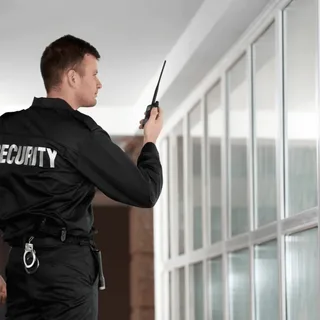
Local businesses face a continuous variety of operational risks, from inventory shoplifting and property vandalism to unauthorized access and public disturbances. Managing these physical hazards requires a proactive defensive posture rather than a delayed reactive response. Investing in certified Unarmed Security Services enables commercial property owners to establish a strong physical security framework that shields company assets, safeguards staff, and maintains smooth daily operations. Having trained safety personnel on-site ensures that potential site vulnerabilities are identified, monitored, and neutralized long before they escalate into severe financial disruptions.
Rather than relying purely on passive video cameras or remote alarm notifications, professional security officers provide immediate human intervention, tactical site control, and active de-escalation. Their constant physical presence transforms commercial venues, retail storefronts, and corporate offices into well-regulated environments where employees feel secure and customers shop with confidence. Understanding how dedicated safety personnel address daily vulnerabilities empowers business owners to build resilient physical defense protocols tailored to their specific operational schedules.
Visible Physical Deterrence and Access Control Management
The primary objective of any commercial physical security plan is stopping criminal behavior before an actual breach occurs. Opportunistic bad actors and organized theft syndicates actively search for soft targets—properties with zero staff oversight, unlit parking areas, or unmonitored entryways. Uniformed security guards serve as an immediate visual warning that a facility is under active professional defense.
The presence of trained personnel instantly alters the risk calculation for potential trespassers. When bad actors see alert officers actively walking the floor, they recognize that attempts at forced entry, property damage, or theft will be intercepted immediately.
Strategic Foot Patrols and Perimeter Audits
- Elimination of Blind Spots: Officers conduct regular, non-predictable foot sweeps through main sales floors, back alleys, loading docks, and exterior parking structures.
- Disruption of Pre-Crime Surveillance: Criminals frequently scout locations beforehand; encountering alert patrol officers forces bad actors to abandon their plans.
- Preventing Exterior Vandalism: Routine perimeter checks discourage property destruction, forced entry attempts, and graffiti on exterior building walls.
Access Control and Entry Verification
- Credential Checking: Guards verify employee ID badges, contractor passes, and temporary visitor permits before granting entry into non-public operational areas.
- Digital Access Logging: Maintaining precise visitor logs and sign-in manifests ensures complete traceability in the event of an internal security breach.
- Securing Restricted Zones: Critical areas—such as server rooms, executive suites, and inventory vaults—remain strictly off-limits to unauthorized personnel.
Active De-Escalation and Public Order Maintenance
Security challenges at local businesses extend far beyond burglary or shoplifting. Internal employee altercations, aggressive solicitors, disruptive patrons, and illegal loitering frequently threaten the peace and productivity of commercial establishments. Security personnel receive specialized training in verbal de-escalation tactics to handle delicate situations without creating public scenes.
Officers are trained to remain calm, neutral, and authoritative when confronted with volatile behavior. By taking control of chaotic interactions early, guards neutralize potential threats without relying on physical force, preserving a peaceful atmosphere for paying patrons and staff members alike.
Verbal Conflict De-Escalation Techniques
- Diffusing Hostile Encounters: Officers employ specialized communication strategies to calm agitated individuals, resolving verbal disputes peacefully.
- Protecting Frontline Staff: Store employees and front-desk staff can focus on daily business operations knowing trained guards are available to handle belligerent individuals.
- Preventing Physical Escalation: Early intervention stops minor arguments between customers from escalating into physical violence or property damage.
Regulating Property Loitering and Trespassing
- Clearing Building Entrances: Preventing unsanctioned gatherings near storefront gates or parking lot walkways ensures foot traffic moves smoothly.
- Polite Removal Protocols: Guards firmly and politely instruct non-patrons to clear private walkways, preserving an inviting shopping environment.
- Preventing Unauthorized Parking: Regular mobile sweeps discourage unauthorized overnight parking and illegal encampments in private lots.
Technical Surveillance Integration and Asset Loss Prevention
Modern commercial risk management requires pairing electronic surveillance technology with physical security enforcement to eliminate inventory shrinkage, property damage, and internal theft. Continuous monitoring protects valuable company assets around the clock.
Integrating human intuition with digital camera arrays maximizes the total efficiency of your loss prevention program. While security cameras provide valuable visual data, dedicated guards supply the physical presence required to verify camera alerts and intercept active theft attempts in real time.
What You Should Know: High-definition video cameras record critical events, but they cannot physically intercept a crime in progress or guide shoppers during an emergency. Pairing digital surveillance tools with experienced guard units from Alliance Guard Services guarantees that real-time video tracking translates into rapid physical intervention on the ground.
Centralized Surveillance Oversight
- Continuous Video Wall Sweeps: Officers actively monitor multi-camera displays to identify suspicious activity, unlit areas, or safety compliance breaches in real time.
- Rapid Ground Dispatch: When camera operators spot unauthorized access or a safety risk, nearby guard units receive instant radio dispatching to address the scene.
- Eliminating False Alarm Fees: On-site inspection by guards prevents unnecessary municipal emergency service fine charges caused by accidental sensor trips.
Retail and Corporate Shrinkage Reduction
- Protecting High-Value Merchandise: Strategic placement of guards near electronics displays, high-end retail stock, or cargo bays deters external shoplifting.
- Internal Theft Prevention: Neutral guard oversight across employee exit points and loading docks ensures total operational accountability across all shifts.
Rapid Crisis Intervention and Medical Readiness
During unexpected emergencies—such as sudden medical incidents, chemical leaks, structural fires, or severe weather events—every second matters. On-site security personnel act as immediate first responders, taking control of chaotic scenes long before municipal emergency services reach the property.
Having certified personnel on location ensures that panic is contained immediately. Security officers manage evacuation routes, establish emergency communication channels, and administer critical first-aid measures to protect human life and structural property.
Medical First Aid and CPR Support
- Life Support Certification: Security personnel maintain certifications in CPR and Automated External Defibrillator (AED) usage, providing crucial immediate care.
- Trauma Management: On-site teams treat minor cuts, manage severe bleeding, and stabilize injured persons until emergency medical services take over.
- Securing Medical Workspaces: Guards establish physical barriers around injured individuals to shield them from public view and allow paramedics to work without distraction.
Orderly Site Evacuation Execution
- Directing Safe Evacuations: During fire alarms or hazardous gas leaks, guards direct employees and patrons along pre-planned evacuation routes to clear designated assembly zones.
- Keeping Emergency Exits Clear: Routine checks ensure emergency doors, stairwells, and exit corridors remain completely unblocked by equipment or freight.
- Guiding First Responders: Officers meet arriving police cars, fire engines, or ambulances at main entrance gates, providing vital hazard updates and clear directions to the scene.
Enhancing Customer Trust and Parking Lot Safety
Beyond active protection, guards serve as key representatives of a business’s customer service team, building trust with the surrounding community. Friendly interactions at main entrances reassure visitors that the facility is thoroughly managed and secure.
Positioning polished safety personnel at primary entrances communicates authority, stability, and care. Customers naturally spend more time and money at commercial locations where their personal well-being and property feel fully guaranteed.
Front-Desk and Concierge Security
- Welcoming Guests: Stationed at main lobbies or reception desks, guards greet visitors, answer basic questions, and offer helpful directions.
- Assisting Vulnerable Visitors: Officers assist elderly patrons, families with strollers, and individuals with mobility challenges as they enter or exit the building.
Parking Lot Escorts and Vehicle Safety
- Nighttime Escort Services: Officers offer personal escorts to vehicles for late-shift workers walking through dark parking structures.
- Deterring Auto Theft: Dedicated Security Guards Matter for Event Safety and daily commercial operations by maintaining continuous vehicle patrols during late-night hours. Utilizing specialized safety providers like Alliance Guard Services guarantees total site defense tailored precisely to your property layout.
Conclusion
Improving safety at local businesses requires a proactive physical defense strategy that combines access control, active de-escalation, technical surveillance integration, and rapid emergency intervention. Far from being passive observers, professional security guards serve as the operational foundation that keeps commercial environments secure, compliant, and resilient against financial losses and physical hazards. By neutralizing threats early, resolving internal altercations peacefully, executing emergency evacuations, and auditing perimeter risks, dedicated security personnel protect valuable corporate assets, safeguard employee well-being, and foster long-term commercial stability.