

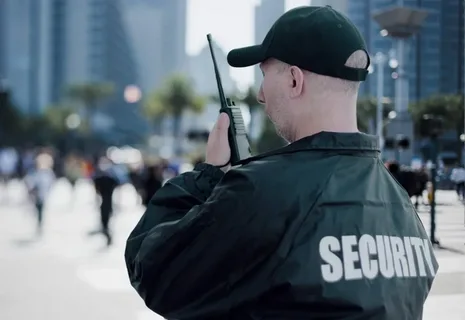
Local businesses serve as the lifeblood of any thriving community, providing vital goods, services, and employment opportunities. However, commercial establishments face constant operational risks ranging from petty shoplifting and organized retail crime to property vandalism, illegal trespassing, and employee theft. To defend their investments and maintain a safe environment for both shoppers and personnel, commercial property owners increasingly deploy professional Unarmed Security Services. Having a dedicated, physical defensive presence on-site provides immediate, hands-on deterrence that automated cameras or simple lock systems cannot achieve on their own.
Rather than waiting to react after a crime has occurred, professional security guards operate on a proactive threat mitigation model. By combining active vigilance, strategic foot patrols, human intuition, and customer service skills, guard forces transform vulnerable commercial properties into secure, well-managed operational environments. Understanding the comprehensive ways on-site guards stop illegal behavior enables business owners to design an effective, layered physical defense strategy.
Visible Presence as a Psychological Crime Deterrent
The fundamental objective of any commercial physical security plan is to deter criminal behavior long before an actual attempt is made. Opportunistic criminals and organized theft syndicates actively search for soft targets—properties with minimal staff presence, unlit spaces, or nonexistent surveillance. A uniformed security officer serves as a clear, immediate signal that a facility is actively monitored and protected.
Strategic Patrols and Perimeter Checks
- Elimination of Blind Spots: Guards conduct regular, randomized sweeps through main store aisles, back loading docks, alleyways, and parking structures to prevent unlawful gathering.
- Disruption of Pre-Crime Surveillance: Criminals frequently survey target locations beforehand; seeing an alert officer disrupts their plans and forces them to move elsewhere.
- Intervention in Vandalism: Immediate physical presence deters property destruction, spray-painting, and forced entry attempts on exterior glass doors or fence lines.
Rigorous Access Control at Key Entry Points
- Badge and ID Verification: Guards verify employee credentials, vendor access permissions, and temporary visitor passes before allowing entry into non-public operational areas.
- Logbook Management: Maintaining accurate physical or digital logs of contractors, delivery drivers, and guests ensures full traceability in the event of an incident.
- Restricted Zone Defense: Critical infrastructure like server rooms, inventory vaults, and management offices remain off-limits to unapproved individuals.
Active De-Escalation and Public Order Maintenance
Security challenges at local businesses are not limited to burglary or retail theft. Workplace altercations, aggressive solicitors, disruptive patrons, and illegal loitering frequently threaten the peace and safety of commercial centers.
Verbal De-Escalation Techniques
- Calming Tense Encounters: Professionally trained guards utilize specialized communication strategies to diffuse verbal arguments between customers or employees peacefully.
- Neutralizing Threats Early: Identifying agitated individuals early allows guards to step in before minor customer disputes escalate into physical violence.
- Protecting Company Staff: Frontline employees can focus on their core job duties knowing trained personnel are available to handle difficult or belligerent guests.
Managing Property Loitering and Trespassing
- Clearing Building Entrances: Unsanctioned gatherings near storefront gates or parking lot walkways can intimidate potential customers and drive away business.
- Polite Removal Protocols: Guards firmly and courteously instruct non-patrons to move along, preserving an inviting commercial atmosphere for paying shoppers.
- Preventing Unauthorized Overnight Parking: Regular night sweeps ensure commercial parking lots remain clear of illegal encampments or abandoned vehicles.
Technical Surveillance Integration and Asset Loss Prevention
Modern commercial defense relies on combining active physical presence with electronic surveillance systems to protect inventory, equipment, and sensitive corporate data.
What You Should Know: While high-definition CCTV security cameras record valuable evidence, they lack the capacity to physically intercept a crime in progress. Pairing digital camera coverage with professional Unarmed Security Services ensures that real-time alerts or suspicious behaviors observed on video feeds receive immediate, on-the-ground physical investigation.
Real-Time Surveillance System Monitoring
- Continuous Camera Oversight: Guards monitor live video feeds across multi-screen control hubs to track suspicious shopping behavior in real time.
- Immediate Physical Dispatch: When an alarm triggers or a camera spots unauthorized activity in a stockroom, an officer is instantly dispatched to inspect the area.
- Verifying False Alarms: Physical verification by an officer prevents costly emergency response municipal fees caused by accidental sensor trips.
Comprehensive Loss Prevention and Internal Shrinkage Defense
- Monitoring High-Value Retail Aisles: Positioning security officers near top-tier electronics, designer goods, or high-risk merchandise significantly reduces shoplifting.
- Dock and Delivery Monitoring: Independent verification teams like Alliance Guard Services monitor loading docks to ensure outgoing and incoming freight matches cargo manifests.
- Preventing Internal Theft: Neutral guard oversight across employee exit points and stockroom doors ensures full accountability and decreases internal inventory loss.
Rapid Emergency Handling and Crisis Management
During critical incidents such as building fires, sudden medical emergencies, or severe weather events, every second matters. On-site security officers fill the critical time gap before municipal police, fire, or ambulance units arrive.
Immediate First Aid and Medical Support
- CPR and AED Readiness: Security guards receive formal certification in basic life support, enabling them to assist cardiac arrest victims immediately.
- Managing Physical Trauma: On-site officers handle basic wound care, severe bleeding management, and sudden illness until paramedics reach the scene.
- Crowd Control During Medical Incidents: Officers establish private perimeters around injured individuals to allow medical teams to work without distraction.
Orderly Emergency Evacuations
- Executing Site Safety Plans: In the event of a fire or gas leak, security teams lead orderly evacuations along pre-planned emergency escape routes.
- Clearing Emergency Exits: Daily safety audits ensure that emergency exits, fire doors, and stairwells remain completely unblocked by storage boxes or equipment.
- Guiding Municipal First Responders: Officers meet arriving police cars or fire trucks at main gates to provide instant hazard details and direct them quickly to the scene.
Enhancing Customer Trust and Brand Reputation
Beyond active enforcement and physical protection, security officers serve as a primary face of a business, making them an integral component of a property’s customer service strategy.
Front-Desk and Concierge Security
- Welcoming Visitors: Positioned at main lobbies or reception desks, guards greet guests, answer general questions, and offer directions with a helpful attitude.
- Maintaining Professional Standards: Polished uniforms and authoritative yet friendly customer interaction project stability, organization, and professionalism.
- Assisting Vulnerable Patrons: Officers assist elderly shoppers, parents with strollers, or individuals with mobility challenges as they enter and exit facilities.
Escort Services and Parking Lot Protection
- Protecting Late-Night Workers: For businesses operating late hours, guards offer personal escorts to vehicles for employees walking through dark parking lots.
- Safe Nighttime Shopping: Customers are significantly more comfortable shopping late into the evening when they observe marked security vehicles patrolling exterior spaces.
- Deterring Auto Theft and Break-Ins: Regular vehicle patrols across parking structures stop window-smashing, vehicle theft, and catalytic converter theft.
Sustaining Long-Term Commercial Protection
Integrating professional physical safety solutions into standard business operations safeguards financial assets while building an environment where commerce can flourish. By combining proactive mobile patrols, strict entry management, real-time camera oversight, and continuous vulnerability assessments, commercial property owners shield their investments, lower legal liabilities, and build an unshakeable reputation for safety, reliability, and community trust.