

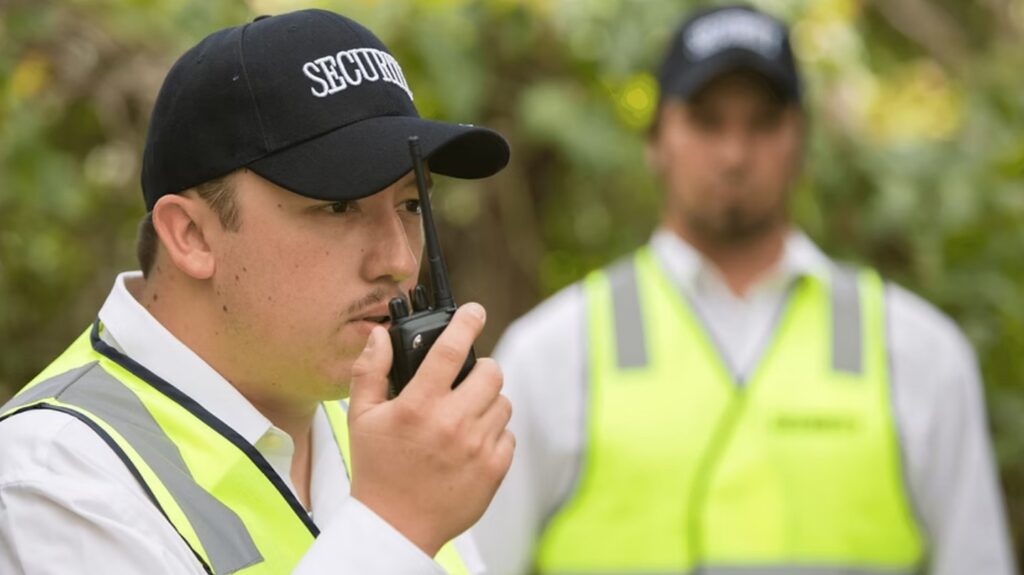
Public spaces such as shopping malls, transit terminals, entertainment venues, and civic plazas experience massive daily foot traffic, making them uniquely vulnerable to sudden critical incidents. Managing chaotic situations during an unexpected crisis requires real-time coordination, calm leadership, and immediate physical intervention to protect lives and property. Integrating certified Unarmed Security Services into public facility operations establishes a structured defensive infrastructure that minimizes casualties and stops threats from escalating. Having trained officers on-site ensures that unexpected events are addressed instantly, bridging the critical gap before public emergency services arrive.
Rather than relying strictly on passive recording equipment or distant emergency response dispatchers, on-site personnel provide active crowd management and tactical site control. Their immediate physical presence transforms high-traffic venues into controlled environments during severe disruptions. Understanding the precise protocols officers follow during a crisis helps venue operators build resilient safety frameworks tailored to public spaces.
Initial Threat Identification and Immediate Incident Containment
The first moments of any public emergency dictate the overall outcome. On-site guards are trained to identify early indicators of danger—such as suspicious packages, violent altercations, or sudden smoke—and take control of the scene immediately.
Rapid Scene Assessment and Alert Verification
- Spotting Critical Anomalies: Officers conduct continuous visual sweeps across crowded plazas to detect unauthorized access, unattended bags, or aggressive crowd behavior.
- Immediate System Notifications: Guards initiate instant communication with central dispatch, verifying electronic alarm trips and reporting hazard coordinates.
- Establishing Initial Containment: Security personnel isolate dangerous zones, preventing visitors from inadvertently walking into active threat areas or structural hazards.
Perimeter Defense and Access Control
- Restricting Hazardous Areas: Officers lock down entry gates, elevators, and corridors leading directly to active emergency zones.
- Keeping Emergency Corridors Open: Guard units secure main roadways and entryways to ensure public emergency responders have unhindered physical access upon arrival.
Active Crowd Control and Public Order Management
During sudden public crises, panic poses as much risk to human life as the primary hazard itself. Professional guards utilize structured crowd control methodologies to prevent stampedes, reduce confusion, and maintain orderly evacuation procedures.
Verbal De-Escalation and Panic Prevention
- Authoritative Directives: Officers use clear, calm verbal commands to direct confused crowds, counteracting mass hysteria and preventing dangerous surges.
- Managing Crowd Bottlenecks: Security teams manage choke points at stairwells, escalators, and exit doors to keep pedestrian movement smooth and continuous.
- Protecting Vulnerable Visitors: Guards provide targeted assistance to elderly patrons, children, and individuals with physical disabilities during mass movements.
De-Escalating Violent Disputes
- Diffusing Physical Altercations: When public disruptions involve hostile individuals, officers use verbal de-escalation tactics to neutralize aggression peacefully.
- Shielding Bystanders: Guards position themselves between aggressive parties and the general public, creating a safe buffer zone for innocent patrons.
Surveillance Integration and Real-Time Incident Tracking
Modern emergency response relies heavily on combining physical ground maneuvers with centralized video monitoring to track evolving risks across expansive venues.
What You Should Know: High-definition video cameras record critical events, but they cannot physically evacuate a building or deliver immediate trauma relief. Pairing digital surveillance tools with professional protection units from Alliance Guard Services guarantees that real-time video tracking translates into rapid physical intervention on the ground.
Command Center Coordination
- Live Video Monitoring: Dispatch officers track crowd shifts, fire progression, or suspect movement across multi-screen control hubs to guide ground guards effectively.
- Directing Ground Patrols: CCTV operators communicate real-time site updates to patrolling officers via secure two-way radios.
- Eliminating Response Delays: Real-time physical verification prevents wasted time by ensuring emergency teams deploy directly to the exact point of need.
Protecting Facility Assets and Inventory
- Securing High-Value Stock: During emergency evacuations, guards secure retail display zones, electronics bays, and cash vaults against opportunistic looting.
- Preventing Unauthorized Access: Guard units maintain post integrity at primary loading docks and service entries while main commercial spaces are evacuated.
Delivery of Immediate First Aid and Medical Support
In critical medical emergencies, such as sudden cardiac arrest or severe physical trauma, immediate care during the first few minutes can mean the difference between life and death.
Basic Life Support and CPR Application
- AED and CPR Readiness: Security personnel maintain active certifications in CPR and Automated External Defibrillator usage, initiating life-saving aid instantly.
- Trauma Management: Officers utilize standard first-aid kits to manage severe bleeding, stabilize fractures, and treat burn injuries until paramedics arrive.
- Securing Medical Workspaces: Guards establish physical barriers around injured individuals to shield them from public view and allow medical staff to work uninterrupted.
Coordinating Municipal Emergency Services
- Meeting Arriving First Responders: Designated officers wait at main entry gates to greet incoming ambulances, police cruisers, and fire engines.
- Providing Crucial Site Intelligence: Guards supply arriving emergency commanders with vital layout details, hazard locations, and precise casualty counts.
Executing Structured Building Evacuations
Whether responding to a fire alarm, severe weather warning, or hazardous gas leak, executing a swift, orderly evacuation is vital to preserving public safety in large facilities.
Routine Hazard Audits and Clearance
- Keeping Safety Exits Clear: Guards verify during daily shift checks that fire doors, emergency stairwells, and exit corridors remain unblocked by freight or trash.
- Directing Evacuation Routes: Officers position themselves along designated escape routes, guiding patrons toward assembly zones clear of structural danger.
Escorting Visitors and Perimeter Clearance
- Parking Lot Safety Sweeps: Mobile units sweep exterior parking structures and transit plazas to ensure clear paths for emergency transport vehicles.
- Preventing Re-Entry: Guards post at all exterior gates to stop panicking patrons from returning inside evacuated structures to retrieve personal property. Dedicated Security Guards Handle Common Workplace Safety disruptions and severe public emergencies by keeping visitors calm, maintaining perimeter defense, and executing emergency protocols. Partnering with proven industry leaders like Alliance Guard Services delivers total site protection tailored to your venue’s unique layout.
Conclusion
Responding to public emergencies requires a highly synchronized combination of rapid threat assessment, active crowd control, technical surveillance oversight, and immediate medical intervention. Far from acting as passive observers, professional security guards serve as the essential first line of defense that keeps high-traffic venues resilient against unexpected disasters. By maintaining order during mass panics, clearing evacuation pathways, administering immediate first aid, and seamlessly guiding municipal emergency responders, dedicated security teams protect human lives, safeguard physical property, and maintain structural continuity across commercial public spaces.