

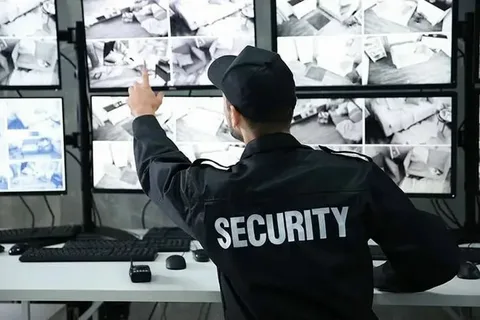
Many people assume that a security officer’s role consists merely of standing by an entrance or staring at video monitors for hours. In reality, a modern officer’s daily schedule involves a dynamic blend of active risk mitigation, facility access management, emergency preparation, and continuous surveillance oversight. To protect commercial assets, personnel, and visitor safety, business owners routinely invest in professional Unarmed Security Services to ensure daily operations run smoothly and securely. Understanding a guard’s specific daily routines highlights how critical their role is to modern corporate infrastructure.
Rather than taking action only after an incident occurs, a security guard’s shift is built entirely around proactive threat prevention and structured reporting. From pre-shift briefs and perimeter checks to crisis de-escalation and customer service support, an officer’s duty log is packed with essential responsibilities. Here is a realistic look at what trained security personnel actually perform during a standard work shift.
Shift Handover, Briefing, and Inspection
A successful shift begins well before an officer steps onto the patrol floor. Seamless shift transitions ensure that ongoing site security remains completely unbroken 24/7. When arriving on-site, the guard immediately checks in with the outgoing team to gather crucial operational intelligence regarding the preceding hours. This comprehensive onboarding phase guarantees that critical security information is never lost during shift changes.
Equipment and Duty Handover
- Reviewing Previous Logbooks: Incoming officers read duty logs and incident reports generated by the outgoing shift to identify recent security breaches or maintenance issues.
- Inspecting Tactical Gear: Guards verify that essential equipment—such as two-way radios, flashlights, digital patrol scanners, and first-aid kits—is fully functional and charged.
- Briefing on Priority Threats: Supervisors alert arriving officers to specific ongoing concerns, such as expected high-value deliveries, VIP visits, or recent trespass warnings.
Pre-Patrol Facility Checks
- Testing Communication Lines: Officers verify radio connectivity with the central command center and neighboring patrol units to ensure real-time coordination.
- Uniform and Professional Readiness: Maintaining a sharp, professional appearance reinforces authority and projects an immediate visual threat deterrent.
Perimeter Sweeps and Physical Security Patrols
Once on the floor, an officer’s primary duty involves active physical surveillance across assigned zones to identify vulnerabilities before bad actors exploit them. Foot patrols are systematically executed to cover every square foot of the facility, ensuring that obscure areas remain completely protected against unauthorized entry. Regular movement also prevents illegal activity by keeping potential offenders uncertain about when an officer will appear next.
Systematic Foot and Mobile Sweeps
- Eliminating Blind Spots: Guards conduct randomized, non-predictable foot patrols through hallways, stairwells, loading docks, and exterior perimeter fencing.
- Parking Structure Checks: Officers patrol exterior lots to prevent vehicle break-ins, catalytic converter theft, property damage, and illegal loitering.
- Identifying Maintenance Hazards: Patrols extend beyond crime prevention; guards identify and report broken door locks, unlit walkways, water leaks, and blocked fire exits.
Rigorous Access Control at Entry Points
- Credential and ID Verification: Guards verify employee badges, vendor access permits, and guest passes before granting entry into restricted corporate zones.
- Visitor Log Management: Officers maintain precise digital or physical records of delivery drivers, contractors, and visitors to ensure full traceability.
- Securing Restricted Areas: Critical infrastructure—such as server rooms, executive offices, and inventory vaults—remains strictly off-limits to unauthorized personnel.
Electronic Surveillance and Loss Prevention Oversight
In addition to physical patrols, officers spend portions of their shift managing advanced electronic security systems to maintain continuous site oversight. Operating modern monitoring software requires intense concentration to detect minor visual discrepancies across dozens of live camera angles. By constantly correlating physical observations with digital metrics, security guards provide a comprehensive line of defense that keeps physical assets fully safe from internal or external theft.
What You Should Know: Automated alarm systems and high-definition CCTV security cameras capture evidence, but they cannot intervene in real time. Pairing digital surveillance tools with reliable protection teams from Alliance Guard Services ensures that suspicious video feeds or triggered sensors receive immediate, physical on-site verification.
Real-Time Monitoring and Rapid Dispatch
- CCTV System Oversight: Guards monitor multi-screen video walls to spot unusual behavior, unauthorized access, or safety hazards across wide commercial spaces.
- Immediate Alarm Investigation: When a door sensor or motion detector triggers, nearby officers are dispatched instantly to evaluate the scene.
- Eliminating False Alarm Fees: Physical verification by an officer prevents costly municipal fine charges triggered by accidental sensor trips.
Loss Prevention and Asset Protection
- High-Value Inventory Defense: Positioning guards near electronics zones, high-end retail aisles, or cargo docks significantly lowers inventory shrinkage.
- Loading Dock Audits: Officers inspect outgoing freight trucks and verify cargo manifests against physical inventory to prevent internal employee theft.
Active De-Escalation and Public Safety Management
Security officers frequently interact with employees, clients, and the general public, requiring strong interpersonal communication and conflict resolution skills. When unpredictable public disturbances occur, officers must step in to manage crowd dynamics and prevent property damage. Neutralizing potential threats using calm, authoritative verbal techniques ensures that the commercial environment remains safe, welcoming, and productive for all legitimate visitors.
Verbal De-Escalation Techniques
- Diffusing Hostile Altercations: Guards use specialized communication strategies to resolve disputes between customers or disgruntled workers peacefully.
- Removing Unauthorized Individuals: Unsanctioned loitering near main entrances is handled firmly and politely, keeping storefronts open and welcoming for paying customers.
- Protecting Frontline Staff: Employees can focus on daily business operations knowing trained personnel are present to handle belligerent individuals.
Emergency Crisis Preparedness and First Aid
During unexpected emergencies—such as medical crises, localized fires, or severe weather events—security officers serve as the initial line of defense on location. They are trained to take command of chaotic environments instantly, directing terrified occupants away from hazards toward designated safety zones. Their steady presence helps minimize mass panic while ensuring that critical physical assets and human lives are safeguarded effectively until external help arrives.
Medical First Aid and Life Support
- CPR and AED Readiness: Security guards hold certifications in basic CPR and automated external defibrillator usage, providing immediate life-saving support.
- Trauma Management: On-site teams treat minor cuts, manage severe bleeding, and stabilize injured persons until emergency medical services arrive.
Orderly Site Evacuations
- Executing Emergency Safety Plans: During fire alarms or gas leaks, guards guide staff and visitors along pre-planned emergency escape routes.
- Guiding First Responders: Officers meet arriving police cars, fire engines, or ambulances at main entrance gates, providing hazard details and guiding them quickly to the scene.
Customer Support and Public Relations
Beyond active protection, guards serve as key representatives of a facility’s customer service team, building trust with the surrounding community. Friendly interactions at front desks reassure visitors that the location is thoroughly managed and secure. By assisting patrons with basic directions and access needs, security personnel foster a positive brand image while unobtrusively maintaining strict building compliance and perimeter control.
Lobby Concierge Duties
- Welcoming Guests: Stationed at main lobbies or reception desks, guards greet visitors, answer basic questions, and provide helpful directions.
- Assisting Vulnerable Visitors: Officers assist elderly patrons, families with strollers, and individuals with mobility challenges as they enter or exit the building.
Parking Escorts and Shift Changes
- Nighttime Escort Services: Officers offer personal escorts to vehicles for late-shift workers walking through dark parking lots.
- Deterring Auto Theft: Proactive Security Guards Improve Safety across commercial venues by maintaining continuous vehicle patrols during late-night operational hours. Utilizing experienced providers like Alliance Guard Services ensures complete shift coverage tailored precisely to your company’s schedule.
Conclusion
A security guard’s work shift is a complex, continuous cycle of vigilance, tactical coordination, loss prevention, and customer assistance. Far from being passive observers, professional officers serve as the vital operational foundation that keeps modern businesses safe, compliant, and resilient against unexpected security risks. By executing rigorous access management, continuous surveillance oversight, rapid emergency response, and comprehensive incident logging, dedicated security personnel protect valuable corporate assets, preserve business continuity, and deliver invaluable peace of mind to business owners, employees, and patrons alike.