

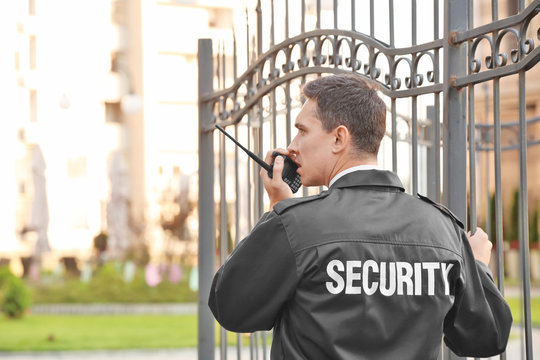
Commercial enterprises, industrial facilities, corporate offices, and retail venues encounter a broad spectrum of physical threats that jeopardize daily operational continuity and corporate solvency. Managing operational hazards—such as unauthorized intrusion, physical property damage, workplace altercations, and unexpected emergency crises—demands constant visual oversight and strategic vulnerability audits. Integrating certified Unarmed Security Services enables business owners to establish a resilient physical defense system that protects company assets, shields personnel, and maintains structural integrity. Having trained safety officers on-site ensures that potential liabilities are identified, monitored, and neutralized long before bad actors can exploit them to cause severe commercial damage.
Rather than relying strictly on passive recording devices or remote alarm notifications, professional security personnel deliver immediate human intervention, proactive site defense, and active conflict resolution. Their constant physical presence transforms commercial facilities into well-regulated environments where staff members perform productively and guests shop with complete peace of mind. Understanding the precise operational hazards on-site guards help prevent empowers corporate leadership to build tailored safety frameworks that safeguard financial investments.
Intrusion, Trespassing, and Access Control Management
Regulating who gains access to a commercial property serves as the foundational layer of physical security enforcement. Unrestricted entry points invite severe operational risks, including unauthorized loitering, corporate espionage, theft of physical assets, and direct physical threats to frontline personnel.
Positioning trained officers at primary access points creates a controlled environment that stops unauthorized individuals from entering restricted operational zones.
Comprehensive Credential and Visitor Screening
- Verification of Access Credentials: Guards inspect employee ID cards, vendor delivery passes, and guest permits before granting clearance to non-public areas.
- Digital Visitor Logging: Maintaining precise digital sign-in records ensures complete traceability and historical auditing if an internal breach occurs.
- Securing Sensitive Internal Zones: Restricted areas—such as server rooms, executive offices, financial vaults, and raw material storage—remain strictly off-limits to non-authorized personnel.
Perimeter Defense and Boundary Sweeps
- Elimination of Blind Spots: Officers conduct regular, non-predictable foot sweeps through main hallways, rear loading docks, side alleyways, and storage lots.
- Interrupting Pre-Crime Surveillance: Criminals frequently scout target locations beforehand; encountering vigilant patrol officers forces bad actors to abandon their plans.
- Preventing Boundary Vandalism: Routine perimeter inspections discourage property destruction, forced entry attempts, broken door locks, and illegal graffiti on building walls.
Workplace Conflicts, Altercations, and Public Disruptions
Safety threats at commercial facilities extend far beyond external burglaries. Internal employee disputes, aggressive solicitors, belligerent patrons, and unsanctioned loitering frequently threaten workplace order, employee morale, and overall customer experience. Security personnel receive specialized instruction in verbal de-escalation methods to handle volatile interactions without generating public scenes.
Officers remain calm, neutral, and authoritative when encountering hostile behavior. By taking command of tense situations early, guards diffuse potential threats without resorting to physical force, maintaining a peaceful atmosphere for working employees and visiting patrons.
Verbal De-Escalation and Conflict Mitigation
- Calming Hostile Altercations: Officers utilize targeted communication techniques to de-escalate angry individuals, resolving verbal disputes peacefully.
- Shielding Frontline Employees: Receptionists, cashiers, and customer service staff can concentrate on core tasks knowing trained guards manage disruptive visitors.
- Preventing Physical Encounters: Timely intervention prevents minor arguments between patrons from spiraling into physical violence or structural damage.
Regulating Loitering and Unauthorized Gathering
- Clearing Building Entrances: Discouraging unsanctioned loitering near storefront gates or parking lot walkways ensures safe, unhindered foot traffic.
- Firm Removal Procedures: Guards politely and firmly guide non-patrons off private property, sustaining a professional business atmosphere.
- Preventing Parking Encampments: Regular vehicle sweeps discourage unauthorized overnight parking or illegal encampments in private lots.
Inventory Shrinkage, Retail Shoplifting, and Internal Theft
Commercial properties, fulfillment warehouses, and retail outlets face massive annual losses due to external shoplifting, organized retail crime, and internal employee shrinkage. Deploying professional loss prevention protocols eliminates financial leaks across all operational shifts.
Integrating human intuition with physical ground sweeps maximizes the overall efficiency of your loss prevention framework. Dedicated guards supply the physical presence required to audit loading docks, inspect inventory transfers, and intercept active theft attempts in real time.
What You Should Know: While high-definition video camera setups record critical events, they cannot physically step in during an active incident or lead an evacuation during a crisis. Teaming digital surveillance setups with trained guard units from Alliance Guard Services ensures real-time video monitoring translates directly into swift ground intervention.
Centralized Video Oversight and Surveillance Integration
- Continuous Multi-Screen Monitoring: Officers actively inspect multi-camera feeds to identify suspicious behavior, unlit hazards, or security compliance breaches immediately.
- Rapid On-Ground Response: When camera operators notice unauthorized access or a safety issue, nearby guards receive immediate radio dispatches to secure the zone.
- Preventing False Alarm Charges: On-site inspection by guards eliminates unnecessary municipal emergency dispatch fines caused by false sensor triggers.
Supply Chain and Cargo Theft Audits
- Shipping Manifest Verification: Officers inspect outgoing freight trucks and verify cargo manifests against physical inventory to prevent internal employee theft.
- Sealing Transport Trailers: Guards verify and log tamper-evident trailer seals before delivery trucks leave commercial loading bays.
- Trash Removal Monitoring: Internal theft often involves hiding merchandise in dumpsters for later retrieval; guards inspect trash disposal procedures to close this loophole.
Medical Emergencies and Environmental Hazards
Safety risks are not limited to criminal acts; environmental accidents, structural fires, severe weather events, and sudden health crises can cause catastrophic damage and severe legal liability if not addressed instantly.
On-site guards serve as immediate first responders during unexpected crises. Their presence contains panic, protects human life, and limits structural damage before municipal emergency crews arrive on the scene.
Medical First Aid and Life Support
- Emergency Care Certification: Security personnel maintain active certifications in CPR and Automated External Defibrillator (AED) usage for rapid life support.
- Trauma Care Management: On-site officers handle minor injuries, manage severe bleeding, and stabilize individuals until medical teams arrive.
- Establishing Medical Privacy: Guards set up physical perimeters around injured persons to protect their privacy and allow medical responders to work efficiently.
Orderly Emergency Evacuations
- Guiding Safe Evacuation Routes: During fire alarms or gas leak alerts, guards lead staff and visitors along pre-planned exit paths toward designated exterior assembly areas.
- Keeping Emergency Corridors Clear: Daily sweeps verify that emergency exit doors, stairwells, and evacuation paths stay completely clear of clutter or freight.
- Guiding Arriving Responders: Officers meet arriving police cars, fire engines, or ambulances at primary access gates, offering crucial situational briefings and immediate directions.
Parking Structure Risks and Exterior Liability Exposure
Commercial security risks extend beyond the interior building footprint into exterior parking lots, transit paths, and perimeter structures. Unmonitored parking grounds expose staff and guests to vehicle break-ins, assault, and property destruction.
Polished security personnel actively patrol exterior walkways and parking facilities to eliminate dark zones, escort late-shift workers, and maintain visual authority across all exterior grounds.
Late-Shift Escorts and Vehicle Safety
- Nighttime Escort Services: Security personnel provide personal escorts to parked vehicles for staff members finishing late-night shifts in dark parking structures.
- Deterring Auto Theft: Dedicated officers help ensure Guards Manage Crowds and safeguard employee vehicles against catalytic converter theft, window break-ins, and property vandalism. Partnering with industry leaders like Alliance Guard Services guarantees comprehensive site coverage tailored specifically to your facility layout.
Conclusion
Engaging professional security guards enables commercial enterprises to avoid a wide array of severe physical vulnerabilities, legal liabilities, and financial losses. Far from serving as passive observers, trained security officers act as an essential operational foundation by combining entry management, active conflict de-escalation, loss prevention monitoring, and crisis intervention readiness. By intercepting trespassers early, resolving public disturbances peacefully, managing emergency evacuations, and protecting exterior parking zones, dedicated guard personnel safeguard corporate property, protect employee well-being, and foster a stable, resilient operating environment.